The 2014 Elk River Chemical Spill: Lessons for Environmental Compliance and Drinking Water Protection
Nov 06, 2026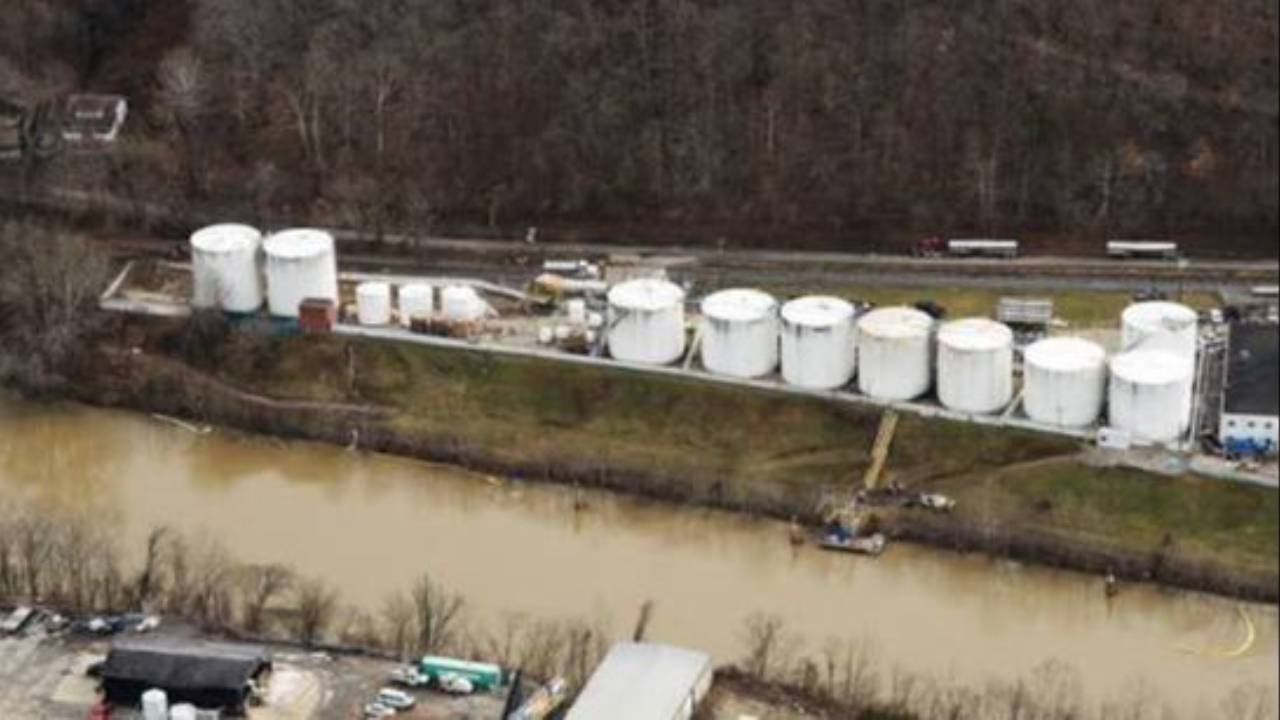
Featured image: Freedom Industries chemical storage facility. Photo: U.S. Chemical Safety and Hazard Investigation Board (CSB).
On January 9, 2014, a chemical release from a storage facility on the Elk River near Charleston, West Virginia, disrupted the drinking water supply for approximately 300,000 people. The immediate emergency drew national attention, but the subsequent investigation exposed a broader set of failures involving tank integrity, containment, notification, and protection of a public water source. [1]
For environmental professionals, the incident remains a useful example of how a release that begins as an equipment and facility-management problem can quickly become a watershed, drinking-water, and public-health emergency. Its lessons extend beyond chemical storage operations to environmental due diligence, compliance review, risk assessment, and emergency planning.
How the release reached the drinking water supply
Freedom Industries operated a bulk chemical storage facility approximately 1.5 miles upstream from the intake serving the Charleston-area water system. The released material was principally crude 4-methylcyclohexanemethanol (MCHM), used in coal-processing operations, together with a smaller amount of propylene glycol phenyl ethers (PPH). It was not a conventional oil spill, and the product was not pure MCHM. The U.S. Chemical Safety and Hazard Investigation Board (CSB) ultimately estimated that nearly 11,000 gallons escaped from aboveground tank 396. Earlier, lower release-volume estimates were preliminary. [1]
The CSB attributed the tank failure to pitting corrosion that created two openings in its floor. Chemical liquid moved through the gravel and soil below the tank and reached the river through deficiencies in the secondary containment system and a deteriorated culvert. Investigators found no documentation of a tank maintenance and inspection program that would have identified the corrosion before the release. These findings were important because the failure was not simply a hole in a tank: multiple safeguards that should have limited the consequences were absent or ineffective. [1]
The nearby drinking-water intake made those weaknesses consequential far beyond the facility boundary. Once contaminated river water entered the water treatment system, responders had to evaluate an unfamiliar industrial chemical, track its movement through treatment and distribution infrastructure, and determine when individual service areas could resume normal water use.
The drinking-water response and public-health uncertainty
On the evening of January 9, the water utility issued a “do not use” order affecting customers across nine West Virginia counties. The restrictions went beyond ordinary boil-water guidance because boiling would not establish that water contaminated with an industrial chemical was suitable for use. The order was lifted in stages, beginning in some areas on January 13; it was not lifted system-wide until January 18. Describing the entire water supply as cleared on January 13, as some early accounts did, obscures the phased testing and flushing that followed. [1]
Uncertainty about the chemical mixture made the response more difficult. Initial estimates of the release volume changed substantially, and the presence of PPH was not publicly disclosed until nearly two weeks after the spill. Officials also had limited toxicological information for evaluating low-level exposure. A short-term screening concentration developed during the response helped guide decisions, but it was not a substitute for complete toxicological knowledge or a guarantee that every potential health question had been resolved. [1]
Residents reported symptoms including nausea, skin irritation, vomiting, and diarrhea. In a joint review, the West Virginia Bureau for Public Health and the Agency for Toxic Substances and Disease Registry examined 584 emergency department records and included 369 patients who had symptoms and reported exposure to the affected water. Of those, 356 were treated and released, while 13 were hospitalized. The investigators emphasized an essential limitation: these symptoms were consistent with potential MCHM exposure, but the records could not establish that the chemical caused each reported illness. [2]
That distinction matters in any environmental incident. An absence of complete exposure and toxicity data should not be presented as proof of safety, but neither should all reported illnesses be described as confirmed effects of the release. Responsible communication requires describing what was measured, what was reported, and what remained uncertain.
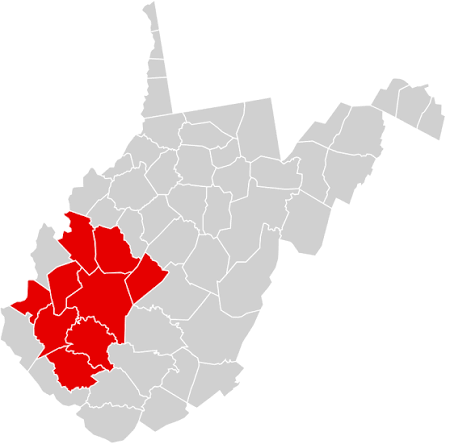
West Virginia counties affected by drinking-water restrictions following the January 2014 Elk River chemical spill. Map: Sertion, Wikimedia Commons, CC BY-SA 3.0.
What the spill revealed about regulatory oversight
The original public debate focused heavily on whether the storage facility had been inspected and whether it should have been allowed to operate so close to a drinking-water source. The later investigation supports serious criticism of the inspection and maintenance practices, but it does not support the claim that the facility was entirely unregulated. West Virginia already had enforceable pollution-control obligations. In a January 10, 2014 order, the West Virginia Department of Environmental Protection documented failures involving secondary containment and a discharge that had reached the Elk River. [3]
At the same time, the CSB identified gaps in the comprehensive oversight of aboveground chemical storage tanks in effect before the spill. West Virginia subsequently enacted the Aboveground Storage Tank Act and the Public Water Supply Protection Act in 2014. The legislation established a framework that included tank registration, spill-prevention planning, and certified inspections; state lawmakers amended the statutes in 2015. Specific obligations depend on the tank and the applicable version of the law, so the legislation should not be treated as a universal checklist for every facility. [4]
The practical distinction is between having some regulatory requirements on the books and maintaining a functioning system of inspections, repairs, containment, recordkeeping, and emergency coordination. A permit or plan cannot compensate for deterioration that goes undetected or for a containment structure that cannot perform when needed.
Lessons for environmental assessment and project coordination
An effective review of a chemical storage operation should consider the full path from a potential release to a receptor. That means examining tank condition and inspection records, secondary containment, drainage and subsurface pathways, nearby surface waters, downstream drinking-water intakes, and the procedures for contacting utilities and emergency responders. Each element is familiar within environmental practice, but the Elk River incident illustrates the cost of evaluating them separately.
The drinking-water side of the risk also requires advance planning. In a 2021 assessment of releases that can affect drinking-water sources, the U.S. Environmental Protection Agency recommended that community water systems inventory facilities capable of releasing harmful substances into source waters. The report identifies chemical inventory information collected under the Emergency Planning and Community Right-to-Know Act as one potentially useful resource. This is risk-management guidance, not a new universal regulatory requirement. [5]
Preventing a similar event depends on coordination among facility operators, environmental and safety personnel, technical inspectors, water utilities, and public agencies. Technical work must be accompanied by reliable reporting channels and a response plan that communicates uncertainty without delaying protective action. This need for specialized expertise and effective coordination reflects the multidisciplinary approach of the Environmental Professionals Network. Through participating firms such as Summit Environmental, Inc., EPN helps connect clients with environmental assessment expertise involving surface-water resources, groundwater investigations, contamination concerns, and related environmental compliance needs.
The enduring lesson from the Elk River release is not that one additional inspection or one new rule would have been sufficient. It is that source-water protection begins well upstream of the treatment plant, with the condition of industrial infrastructure, the effectiveness of containment, and the ability of multiple organizations to recognize and respond to a credible threat.
References
[3] West Virginia Department of Environmental Protection (2014). Freedom Industries Order No. 8028.
Originally published by Environmental Professionals Network on January 21, 2014. Technical content reviewed and substantially revised November 2026.