EPN Phase I Site Assessment and the Report Process
Oct 30, 2026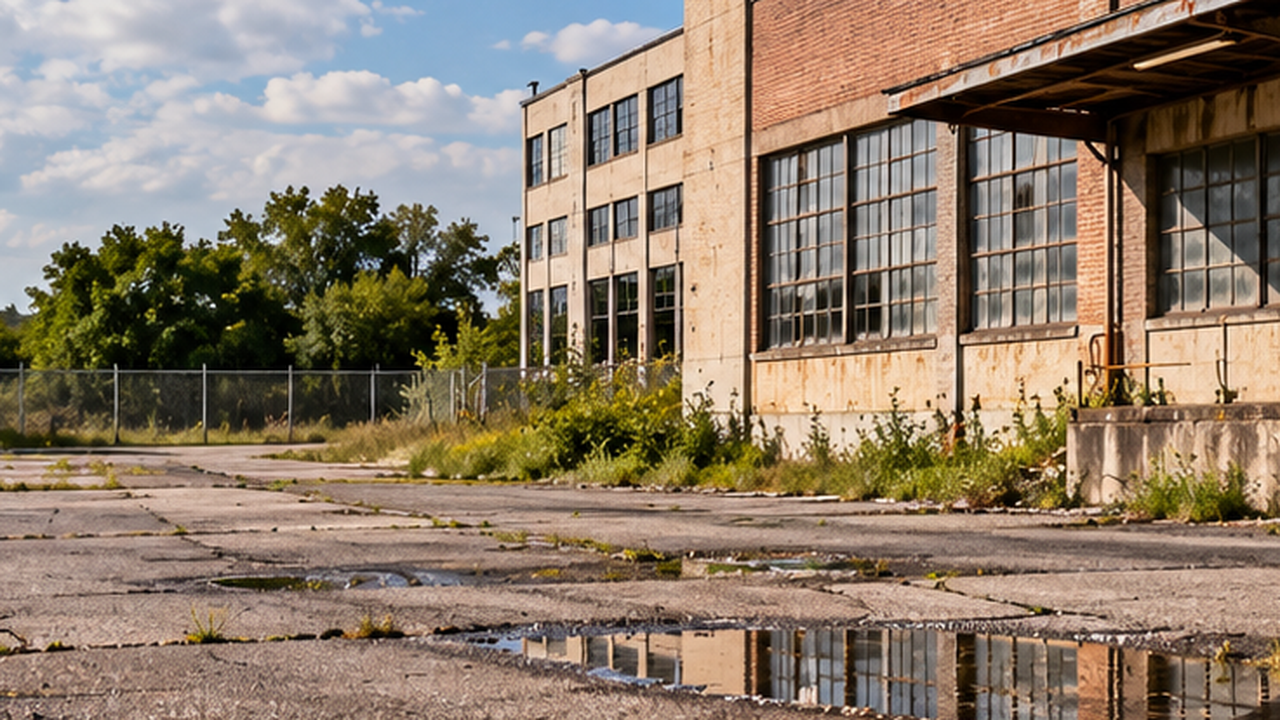
Understanding the Phase I Assessment Process
A property's current appearance does not always reveal how it was used in the past. A commercial building may once have housed vehicle maintenance operations, an industrial process, or chemical storage. Nearby activities may also have affected the property, even if there is no visible evidence of a release today. These possibilities can influence a purchase, financing decision, or redevelopment plan.
A Phase I Environmental Site Assessment (ESA) provides a systematic way to evaluate those concerns before a transaction or other major property decision. It brings together historical research, regulatory information, interviews, and a site visit to determine whether the available evidence indicates a potential release of hazardous substances or petroleum products. Understanding what the assessment covers, what it does not cover, and how its findings are reported helps property owners and prospective purchasers make more informed decisions. [1, 2]
What a Phase I Environmental Site Assessment Involves
A Phase I ESA evaluates the environmental history and present condition of a property to identify recognized environmental conditions, commonly called RECs. The assessment is usually performed without collecting soil, groundwater, or building-material samples. Instead, an environmental professional examines available records, interviews knowledgeable individuals, visits the property, observes adjoining land where feasible, and evaluates the findings as a whole. The completed report describes the investigation, identifies significant information gaps, and presents conclusions about potential environmental conditions. [1, 2]
A Phase I ESA is often requested in connection with commercial real estate financing, property acquisitions, and redevelopment. Its value extends beyond a lender's checklist. A site with a history of industrial activity or a neighboring property with a documented release may warrant attention before the buyer commits to a particular use or construction schedule. The assessment does not establish that a property is free from all contamination; rather, it identifies conditions for which further evaluation may be needed.
A Phase I ESA may also support compliance with the federal All Appropriate Inquiries (AAI) rule, an important prerequisite for certain landowner liability protections under the Comprehensive Environmental Response, Compensation, and Liability Act (CERCLA). Not every commercial property transaction requires an assessment, and completing one does not automatically eliminate environmental liability. Other legal requirements, including applicable continuing obligations after acquisition, may still apply. [1, 4]
How the Assessment Is Conducted
The investigation typically begins with a review of the property's past uses. Historical aerial photographs, fire insurance maps, city directories, land-use records, earlier environmental reports, and available regulatory databases help establish what activities occurred on and near the site. A former service station, dry cleaner, manufacturing operation, or waste-handling area can raise questions that would not necessarily be apparent during a current site visit. Environmental records may also document underground storage tanks, reported releases, or corrective actions on nearby properties. [1]
Interviews add context that may be missing from the records. Current and former owners, operators, occupants, and others familiar with the site may know about past spills, abandoned tanks, chemical handling, or changes in the property's operations. That information can help the environmental professional interpret historical records and direct attention to particular areas during the inspection. [1]
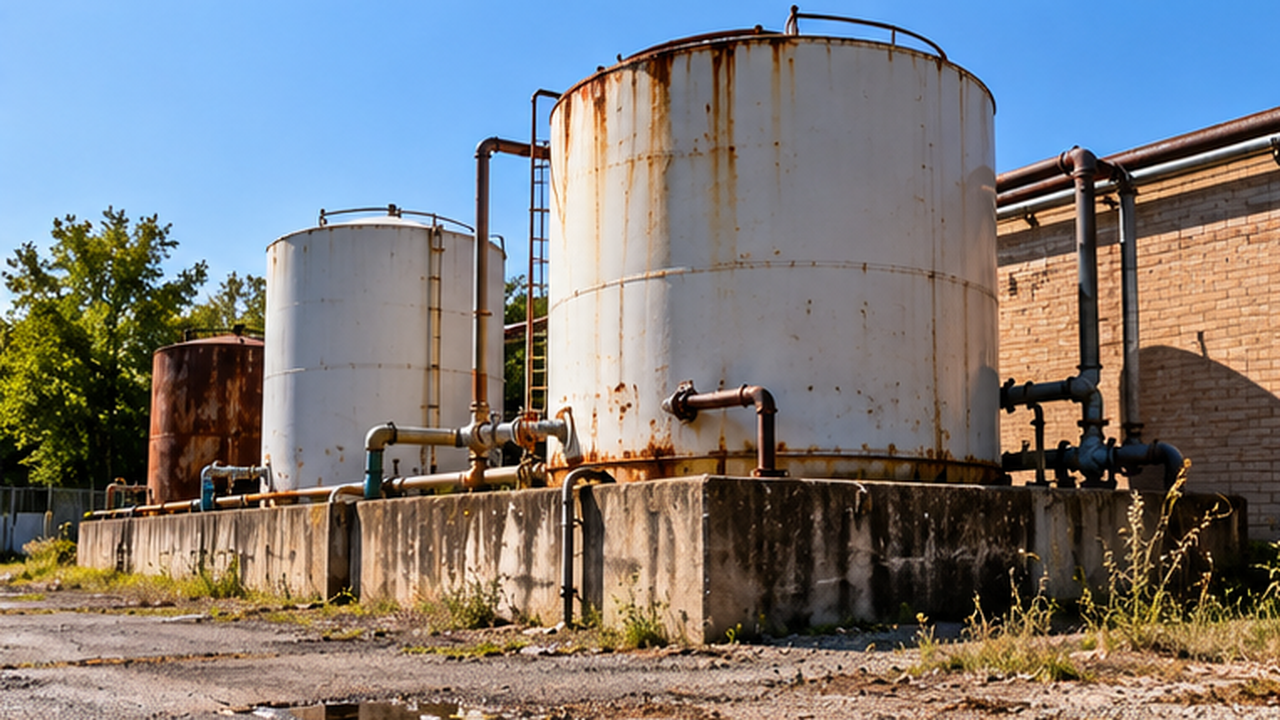
During the site reconnaissance, the environmental professional examines accessible areas of the property for signs that may be associated with a release. Depending on the site, observations can include stained soil or pavement, tanks and drums, distressed vegetation, chemical storage practices, unusual odors, or evidence of disposal. Adjoining properties are also considered to the extent required by the assessment standard. A visual inspection is an important component, but it is not the entire assessment; documented releases and historical activities can establish concerns even when there is nothing unusual to see. [1, 2]
Finally, the professional evaluates the evidence, identifies significant data gaps, and prepares a written report. The report explains the sources reviewed, the conditions observed, and the basis for its conclusions. Where a potential environmental condition is identified, the next question is whether additional investigation would help clarify the nature and extent of the concern. [1, 2]
Recognized Environmental Conditions and What They Mean
A recognized environmental condition is more specific than a general building defect or an observation that appears unusual. Under ASTM E1527-21, a REC involves the presence or likely presence of hazardous substances or petroleum products in, on, or at a property because of a release or likely release, or their presence under conditions posing a material threat of a future release. A REC may be supported by historical records, regulatory documentation, interviews, site observations, or several of these sources together. [2]
The distinction is important. An old drum or piece of equipment does not automatically establish a REC, just as a clean-looking property does not rule one out. The environmental professional must consider the available evidence and the circumstances of the property. The report may also distinguish historical recognized environmental conditions, which have been addressed to unrestricted-use criteria, from controlled recognized environmental conditions, where an addressed release remains subject to controls or restrictions. [2]
A REC may justify a more focused investigation, often called a Phase II ESA. Depending on the concern, that work can include sampling soil, groundwater, or soil gas and analyzing samples at a qualified laboratory. The appropriate follow-up depends on the suspected source, site history, planned use, and the decisions the property owner or purchaser needs to make. [1, 3]
Environmental Concerns That May Require Separate Assessments
A property's environmental due diligence needs may extend beyond a standard Phase I ESA, especially when older buildings are being acquired, renovated, or demolished. Asbestos-containing materials, lead-based paint, mold, and radon can warrant attention, but routine evaluation of these conditions is generally outside the scope of ASTM E1527-21. Older insulation, flooring, and roofing may contain asbestos, while paint and plumbing materials may present lead-related concerns. Their presence does not, by itself, establish a recognized environmental condition. The condition of the materials, potential for disturbance, and intended use of the building help determine whether a separate survey or testing is appropriate. Evidence that lead has been released into soil or groundwater, by contrast, may be relevant to the Phase I investigation. [2, 3, 5, 6]
Building conditions can also raise questions that are important to future occupants without indicating a release addressed by a Phase I ESA. Visible mold, musty odors, or water intrusion call for evaluation of the moisture source and, where appropriate, a separate mold or moisture assessment. Radon is another distinct concern. This naturally occurring gas can accumulate indoors, and regional radon maps cannot establish the concentration in a particular building; testing is needed to determine actual levels. These evaluations can be planned alongside environmental due diligence without confusing their purpose with that of the Phase I assessment. [3, 7, 9]
Older electrical equipment warrants a different distinction. Certain transformers, capacitors, and related equipment historically contained polychlorinated biphenyls (PCBs), and leaks or disposal practices may have affected surrounding soil or other environmental media. Although U.S. manufacture of PCBs was banned in 1979, equipment and materials from earlier periods can still require attention. When records or site observations suggest an actual or likely release, that evidence may be relevant to identifying a recognized environmental condition. The practical objective is to match the investigation to the concern: a Phase I ESA evaluates potential environmental releases, while targeted building and indoor-environment assessments address hazards outside that standard scope. [2, 8]
ASTM Standards and the Phase I Report
ASTM International develops consensus technical standards used across many industries. Its Phase I ESA practice provides a consistent framework for environmental due diligence, helping professionals document research, observations, and conclusions in a format that property owners, lenders, and other stakeholders can use. The ASTM Phase I standard was first published in 1993 and has been revised as environmental practice and legal requirements have evolved. [10]
For most commercial real estate transactions, the applicable practice is ASTM E1527-21, which EPA recognizes as consistent with the federal AAI rule in 40 CFR Part 312. The standard establishes expectations for historical research, interviews, site reconnaissance, identification of RECs, evaluation of significant data gaps, and reporting. It does not remove the need for professional judgment, and lenders or agencies may require additional work for particular transactions. [1, 2]
Timing matters when a buyer intends to satisfy AAI requirements before acquisition. The investigation generally must be completed or updated within one year before purchase, and certain components must be completed or updated within 180 days. These include interviews, government-record reviews, visual inspections, searches for recorded environmental cleanup liens, and the environmental professional's declaration. Planning the assessment early can leave time for focused investigation if a potential concern emerges. [1, 4]
The resulting report should make the property's environmental history understandable without overstating what can be concluded from a nonintrusive evaluation. Its principal contribution is to identify credible concerns, explain how they were evaluated, and help the reader decide whether additional work is justified.

Putting the Findings to Work
For a buyer, a Phase I ESA can inform negotiations, financing, and decisions about further investigation. For an owner or developer, it can help identify environmental considerations early enough to influence planning rather than create unexpected delays later. In either case, the assessment is most useful when its findings are understood as part of the broader project, not simply filed away as a transaction document.
The Environmental Professionals Network connects independent environmental specialists to address assessment, compliance, and redevelopment needs as projects evolve. Among the participating firms, Summit Environmental, Inc. provides Phase I Environmental Site Assessments and related consulting services. Where an assessment points to additional technical questions, EPN can help coordinate the appropriate specialists and next steps.
References
U.S. Environmental Protection Agency. Brownfields All Appropriate Inquiries. Federal AAI rule, scope, reporting, and timing requirements.
ASTM International. ASTM E1527-21: Standard Practice for Environmental Site Assessments—Phase I Environmental Site Assessment Process. Assessment standard and recognized environmental conditions.
U.S. Environmental Protection Agency. Revitalization-Ready Guide, Chapter 3: Reuse Assessment. Environmental due diligence and related investigations.
U.S. Environmental Protection Agency. Bona Fide Prospective Purchasers. Landowner liability provisions and continuing obligations.
U.S. Environmental Protection Agency. Protect Your Family from Exposures to Asbestos. Asbestos in buildings and potential exposure from disturbance.
U.S. Environmental Protection Agency. Reduce the Risk of Lead Exposure at Home. Lead paint, dust, and drinking water.
U.S. Environmental Protection Agency. How Can I Tell If I Have a Mold Problem?. Mold and underlying moisture conditions.
U.S. Environmental Protection Agency. Learn About Polychlorinated Biphenyls. Historical PCB uses and environmental risks.
U.S. Environmental Protection Agency. The EPA Map of Radon Zones. Regional potential and limitations of radon maps.
ASTM International. Standard Practice for Environmental Site Assessments Revised. Background on the Phase I standard and its revisions.
Originally published by Environmental Professionals Network on October 18, 2013. Technical content reviewed and updated October 2026.